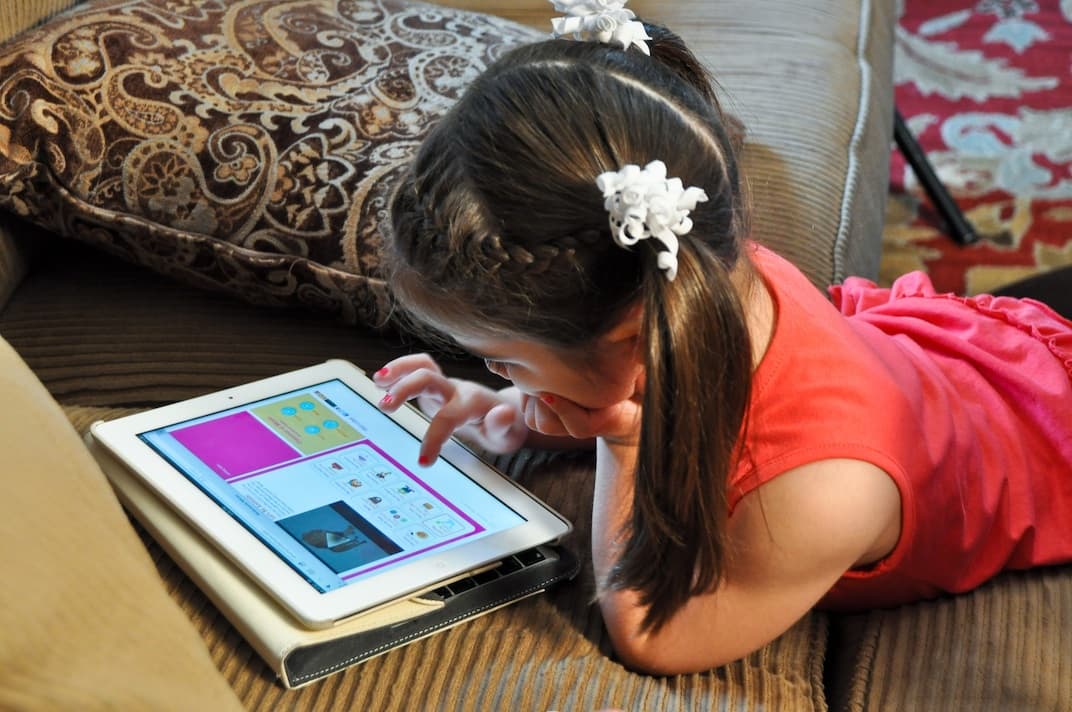
Finding the Right Activities for Kids with Educational Games

When you type “educational games for kids” into a search bar, the options can feel endless. Apps, board games, printable worksheets, coding toys, even full classes all promise learning disguised as fun. The real challenge is knowing which ones actually help your child grow and which are just noisy distractions.
This guide gives you a simple way to judge learning games, match them to your child, and then turn that interest into real-world activities that build the same skills.
Why Educational Games Matter In Your Child’s Week
Educational games give kids a low pressure way to practice real skills while they play. Instead of being told to “sit still and focus,” they naturally concentrate because there is a puzzle to solve or a story to finish.
Thoughtfully chosen learning games can help kids exercise memory, attention, problem solving, and flexible thinking in short bursts that feel manageable. They also let children experience small wins often, which can build confidence in areas that feel hard during the school day.
Another benefit is that games can shift the tone at home around learning. When reading, math, or science appear inside a game, kids see those subjects as something they can explore instead of something that might expose what they do not know yet. That mindset can make it easier for them to try new activities later, from a coding camp to a creative writing club.
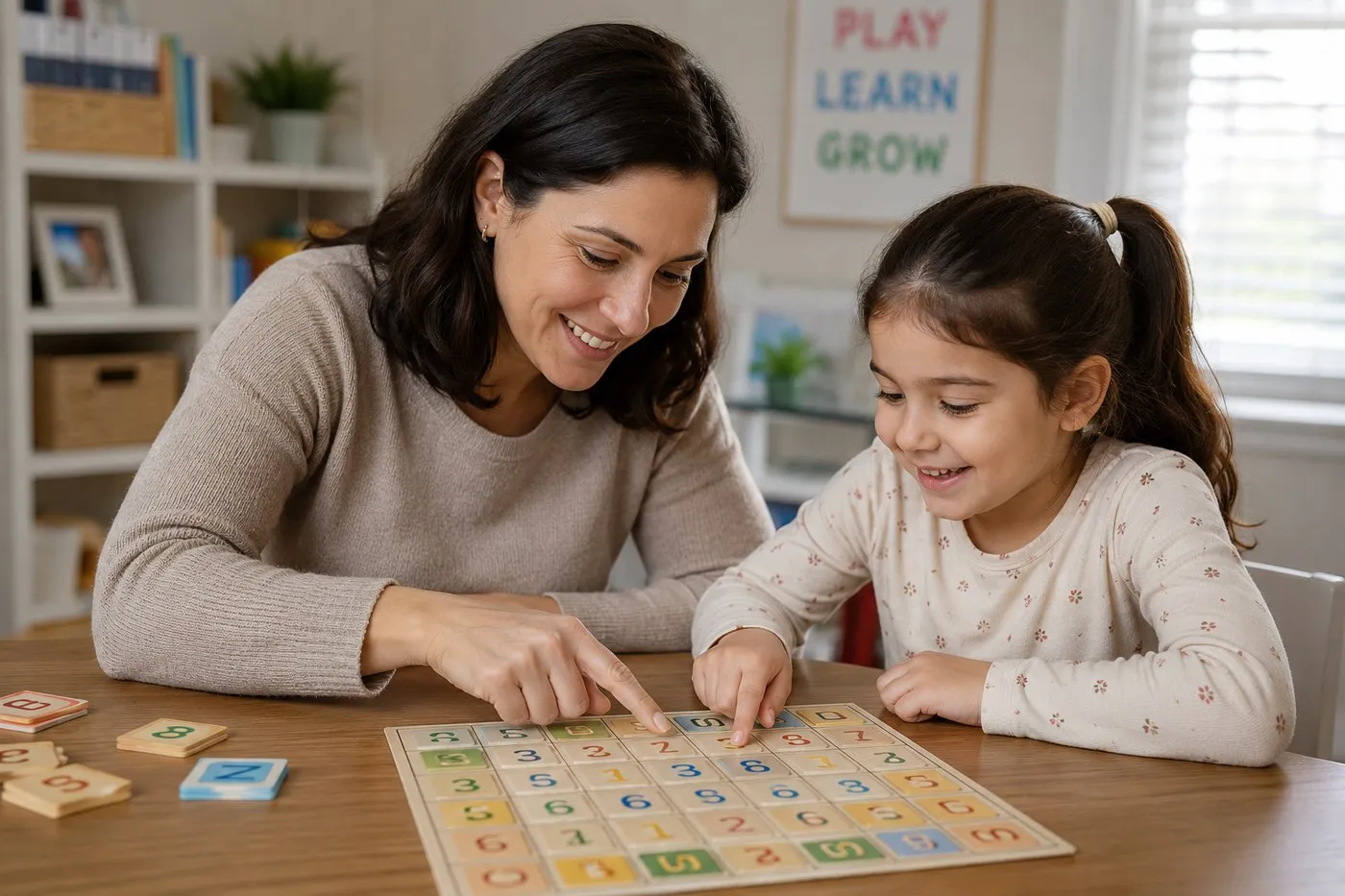
What Makes A Game Educational Without Killing The Fun
A learning label on the box or app store page is not enough. A game is truly educational when three pieces show up together in a balanced way.
Clear skill focus
The first piece is a specific skill your child practices repeatedly while playing. It might be early reading, number sense, strategy, cooperation, or creative thinking. One focused skill is usually better than ten vague promises.
If a game’s description cannot answer “what skill will my child use again and again here,” it is harder to know whether it supports any real growth.
Built in thinking, not just tapping
The second piece is how the game makes a child think. Educational games for kids should ask players to make small decisions, test ideas, or connect information, not simply tap as fast as possible.
Look for signs like:
- “Plan your moves”
- “Solve puzzles”
- “Explain your answer”
These clues usually mean the game asks for some reasoning instead of pure reflexes.
Feedback that children understand
The third piece is feedback. In a strong learning game, kids can tell why they succeeded or failed. That might show up through hints, progress bars, short explanations, or even a quick conversation after a board game round.
When children can see cause and effect clearly, they are more likely to transfer that insight to similar problems at school or in other activities.
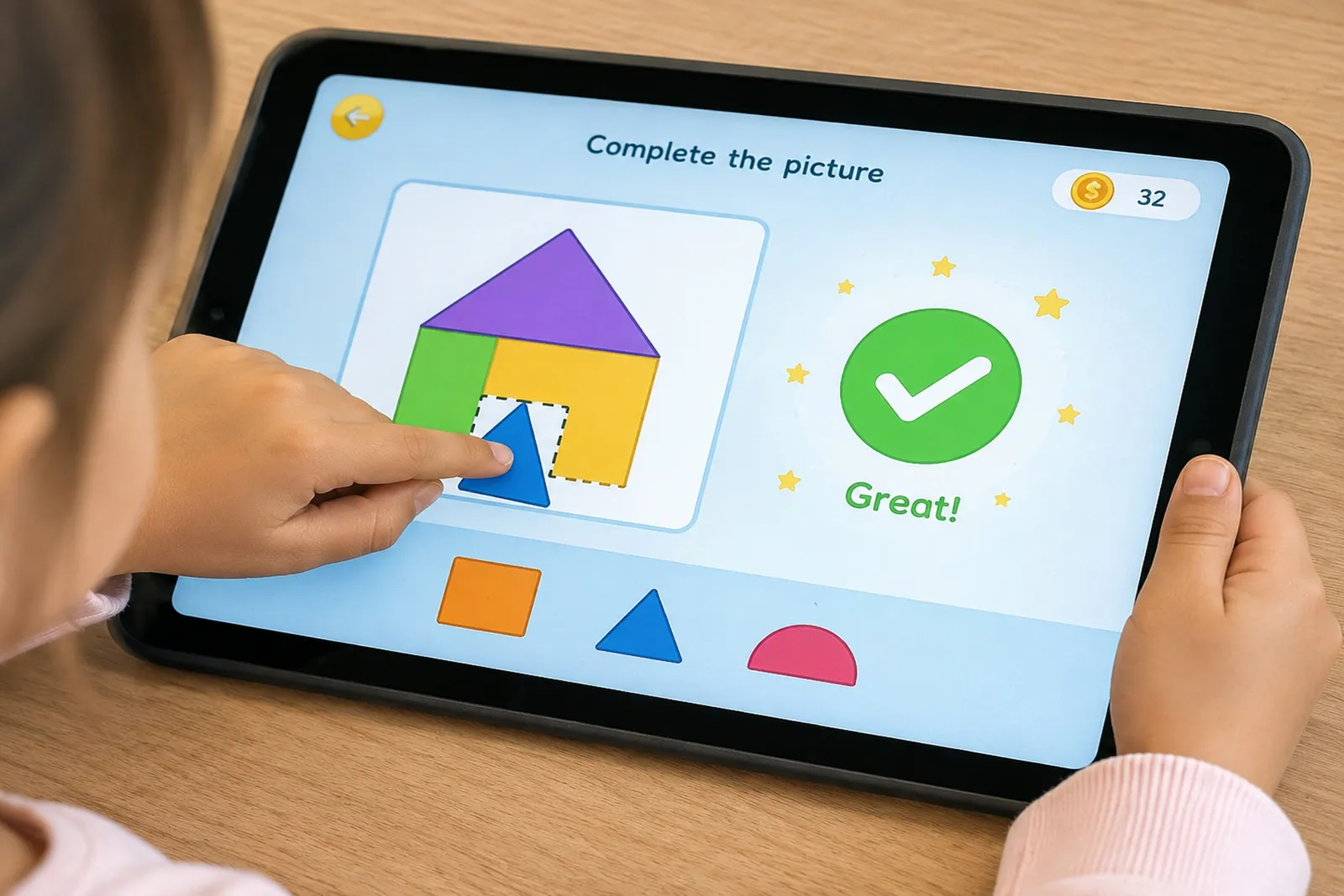
Matching Games To Your Child Instead Of Forcing Fit
Once you know what makes a game educational, the next step is choosing options that fit your actual child, not an ideal version of them.
Start with how your child likes to play
Some kids love reading, others resist it. Some enjoy fast paced, competitive games, while others prefer slow puzzles or creative building. To keep games fun, match the format to how your child already likes to spend time.
- For kids who dislike reading, choose games with audio directions, rich visuals, or cooperative play so they can still build vocabulary and comprehension without being blocked by long text.
- For kids who race through tasks, strategy games that reward planning and reflection can stretch their patience in a gentle way.
- For kids who feel anxious about getting answers wrong, look for games where mistakes are tiny and reversible, or where players work as a team.
When you respect how your child plays, it becomes easier to nudge them toward “learning games that are actually fun” instead of turning playtime into another chore.
Adjust challenge level instead of pushing harder
The best educational games for kids sit just above your child’s current comfort zone. Too easy and they are bored, too hard and they shut down.
Many digital games now allow you to change the difficulty or select specific skill levels. With board games, you can tweak rules to shorten rounds or simplify scoring. Small adjustments keep the sense of progress alive without stretching kids to the point of frustration.
If a game constantly sparks tears or arguments, it is not the right fit right now, even if reviews call it one of the “top rated learning games for children.”
Turning Game Interests Into Real World Activities
Educational games can also act as a bridge into the offline world. The interests and strengths you notice during play can guide you toward activities, camps, and classes that feel like a natural next step.
Notice the themes your child returns to
Pay attention to the kinds of games your child consistently chooses when given a few options.
- A child who loves building and logic puzzles may enjoy robotics, engineering clubs, or coding classes.
- A child who gravitates toward storytelling games might thrive in theater, creative writing, or illustration programs.
- A child who enjoys cooperative board games for family game night may be ready for team sports, music ensembles, or group art projects.
Those patterns help you answer the big question behind “finding the right activities for kids”: where does your child feel both curious and capable?
Use BeAKid to move from screen to local experiences
Once you have a sense of your child’s interests, you can use BeAKid to turn that insight into concrete options.
Search by age and interest to discover local programs that match the skills your child enjoys using in games. For example, if your child loves puzzle and strategy games, you might explore STEM and coding activities or math enrichment programs. If they are drawn to story based games, you might browse theater and drama classes or creative writing workshops.
Because program details, schedules, and registration all live in one place, you can move from “this game really clicked for my child” to “here is a real world activity that builds the same strengths” without juggling multiple websites and forms.
FAQ
How do I find free educational games for kids that are still good quality?
Look for library recommended resources, school district links, or nonprofit education sites that curate free options. These sources usually screen for quality and safety before sharing, which reduces your research time compared to downloading random free apps.
Are educational board games for family game night as valuable as digital learning apps?
Board games add a layer of communication, turn taking, and emotional regulation that screens do not always teach. When played regularly, they can support social skills alongside academic concepts, which many parents find just as valuable as app based practice.
What if my child only wants fun educational games for kids and avoids anything that feels like schoolwork?
You can respect that preference by choosing games where the learning is baked into the mechanics instead of highlighted in the branding. Focus on games your child would pick up on their own, then quietly notice which skills they are practicing while they play.
Educational games work best when they match your child’s natural play style, stretch them just enough, and connect to real skills that matter outside the game. Once you start seeing patterns in what your child enjoys, you can use those clues to choose both better games and better activities.
If you are ready to go from screens and game boards to in person experiences, explore programs on BeAKid that align with the skills your child shows off during play. A few thoughtful choices today can turn “just a game” into a path of activities that keep them learning, trying, and growing.